What the chimney crown does, and why it cracks
The chimney crown is the thick slab of cement poured over the top course of brick at the very top of your chimney. Its job is to act as an umbrella for the entire masonry structure. A proper crown slopes downward from the clay flue liner toward the outside edges so rain runs off cleanly rather than pooling on top.
Because the crown sits above the roofline with zero shade, it takes the direct brunt of Middle Tennessee weather. Direct summer sun bakes the concrete, and severe thunderstorms dump heavy rain against it. Over time, shrinkage and thermal expansion create hairline fractures across the surface. Once water enters those hairline cracks, winter freeze-thaw cycles expand the water into ice, popping edges off the crown and driving water deep into the brick courses below.
Signs your chimney crown needs attention
- Visible cracks across the top cement cap or crumbling outer corners
- A flat crown surface where puddles sit for days after rainfall
- White powdery salt stains, called efflorescence, coating top brick courses
- Damp or stained brickwork directly beneath the roof flashing line
- Mortar joints in the top courses that crumble or wash away in heavy rain
You do not need to walk the roof to spot trouble. Taking clear photos from the yard or an upstairs window with a zoom lens is often enough to see if the crown is cracked or crumbling. Leaving a cracked crown unsealed allows water to saturate the stack, turning a simple patch into expensive masonry repairs later on.
How we clean and patch a chimney crown
A proper crown repair requires thorough surface preparation. We begin by wire-brushing away all moss, lichen, loose cement flakes, and accumulated soot from the concrete slab. We blow the surface clean so the repair materials can bond tightly to solid masonry.
We chisel out deep structural cracks and pack them with non-shrinking hydraulic cement to restore a solid base. Around the clay flue tile where seasonal expansion often breaks the joint, we apply high-grade flexible sealant to prevent water from trickling down between the liner and outer brickwork.
Finally, we apply a thick, brushable elastomeric crown coating across the entire slab. This heavy-duty coating cures into a flexible, seamless waterproof membrane that stretches with temperature swings without cracking, keeping your chimney dry through heavy rain and winter freezes.
What we do, and when you need a rebuild
A crown patch is designed for a concrete cap that is still structurally solid but has developed cracks, chips, or weathered edges. We do not do full chimney rebuilds, flue liners, or fireplace work. If your chimney cap has completely collapsed into loose rubble, or if the top brick courses have separated from the house, a patch will not hold. In that situation, you will need a masonry company to rebuild the top courses from scratch.
If your chimney crown is too far gone for a patch, we will tell you plainly before touching anything, and the choice of how to proceed is always yours. If the stack brick and mortar beneath the crown are weathered, we handle loose or spalled brick on our brick repair page and crumbling joints on our tuckpointing page.
From photos to a watertight chimney crown
Send photos of the crown and the top of your chimney, along with your town, to (865) 409-7887 or Facebook Messenger. You can also tap Call / Text at the top of the page, or send photos through the quote page. We will review your pictures and give you a straight, honest answer on whether a patch is a good fit for your chimney.
If a patch makes sense, we schedule a convenient time, complete the repair, clean up the roof and gutters beneath the work area, and stand behind our work with a 1-year warranty.
Recent chimney repair photos
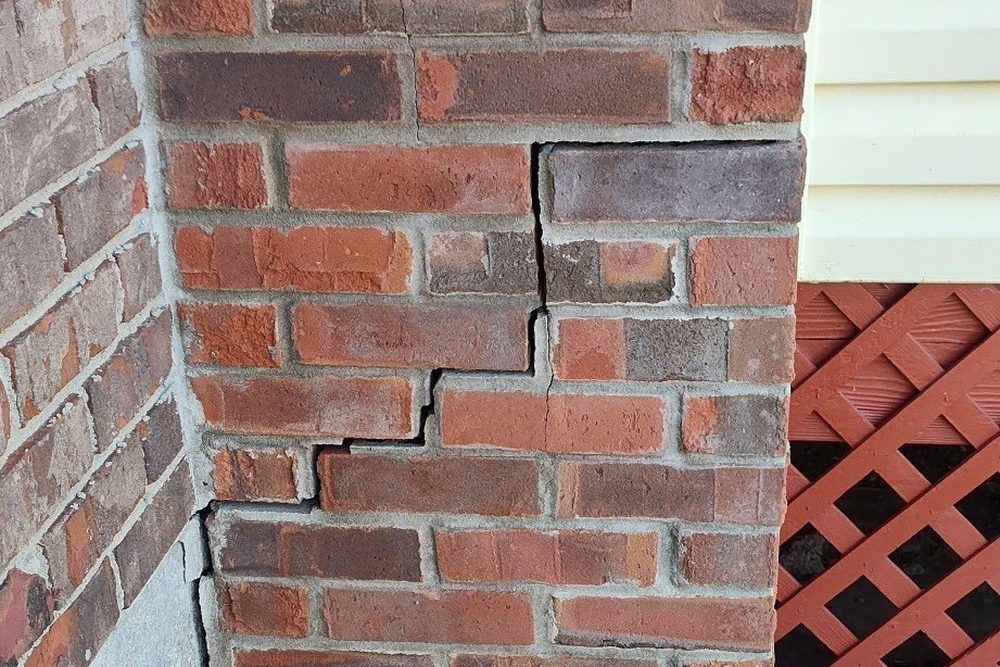
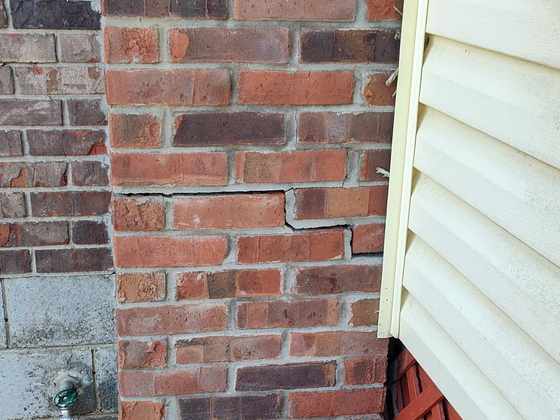
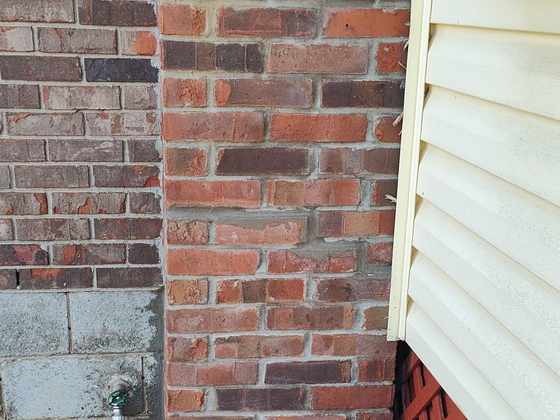
Guides: signs your chimney brick needs repair and brick and chimney masonry cost guide. Also see brick repair, tuckpointing, and masonry repair in Springfield, White House, and Goodlettsville.