Where small moisture spots start in Robertson County homes
Humid summers and sudden rainstorms in Robertson County create damp conditions around exterior walls and rooflines. When moisture finds a way through the building shell, mold can begin growing on damp drywall paper and framing lumber.
In our area, small mold spots usually trace back to a few common exterior issues:
- A minor roof leak around a vent pipe boot or roof valley dripping into attic insulation
- Gutters overflowing during heavy rain, dumping water down exterior siding and window headers
- Cracked exterior caulk around window frames letting rain seep into the drywall sill
- Bathroom walls where steam collects on cold outside corners without enough airflow
We focus strictly on small, localized spots under ten square feet. Catching a small damp patch early keeps the repair quick and prevents water damage from spreading into surrounding walls.
Stopping the moisture source comes first
Mold requires steady moisture to grow. Cleaning off surface mold without stopping the water source will never solve the problem. If you simply wipe the surface and paint over it, the dampness will push mold right back through the fresh coating.
We check the exterior to locate where water entered. If a shingle blew off or a roof collar cracked, we fix that as part of one missing shingle roof repair. If leaves and seeds have clogged the roof edge, keeping up with gutter cleaning prevents runoff from soaking your siding. Once the water source is closed off, the inside materials can dry out permanently.
Cutting out soft drywall, wet insulation, and treating framing
When drywall gets damp, the gypsum core softens and the paper face absorbs moisture. Wiping the paint only cleans the front side while mold continues behind the wall. For a permanent fix, the damaged material must come out.
We carefully cut away the soft drywall with clean, straight edges. We remove any wet insulation that has packed down and lost its insulating ability. With the wall cavity open, we inspect the wood studs or ceiling joists. If the wood framing is sound, we clean and treat the lumber with an EPA-registered cleaner. We give the cavity plenty of time to dry completely before any new materials are installed.
When a job needs a dedicated specialist
Some moisture issues are larger than a handyman repair, and we will always be straight with you if yours is one of them. We handle small, contained spots on walls and ceilings. We do not handle whole-house mold remediation, mold inside heating or cooling ductwork, or spaces flooded by rising ground water.
We also make no health claims and do not perform mold testing. If a problem covers a large area or keeps returning from an unknown source, hiring a dedicated mold remediation company is the right step. If your job needs a specialist, we will tell you plainly, and the choice is always yours.
Patching, priming, and finishing the wall
Once the framing is clean and dry, we rebuild the area. We install fresh insulation, fit new drywall backed by solid wood cleats, and secure the patch with drywall screws. We tape the seams, float joint compound, and feather the edges smooth.
Before painting, we apply a stain-blocking primer so dried water marks cannot bleed through. We match your wall or ceiling texture, apply finish paint, and leave your room clean and ready. Tap Call / Text at the top of the page, or send photos through the quote page. You can also send photos on Facebook Messenger for a free estimate. Work carries a 1-year warranty.
Recent mold repair photos
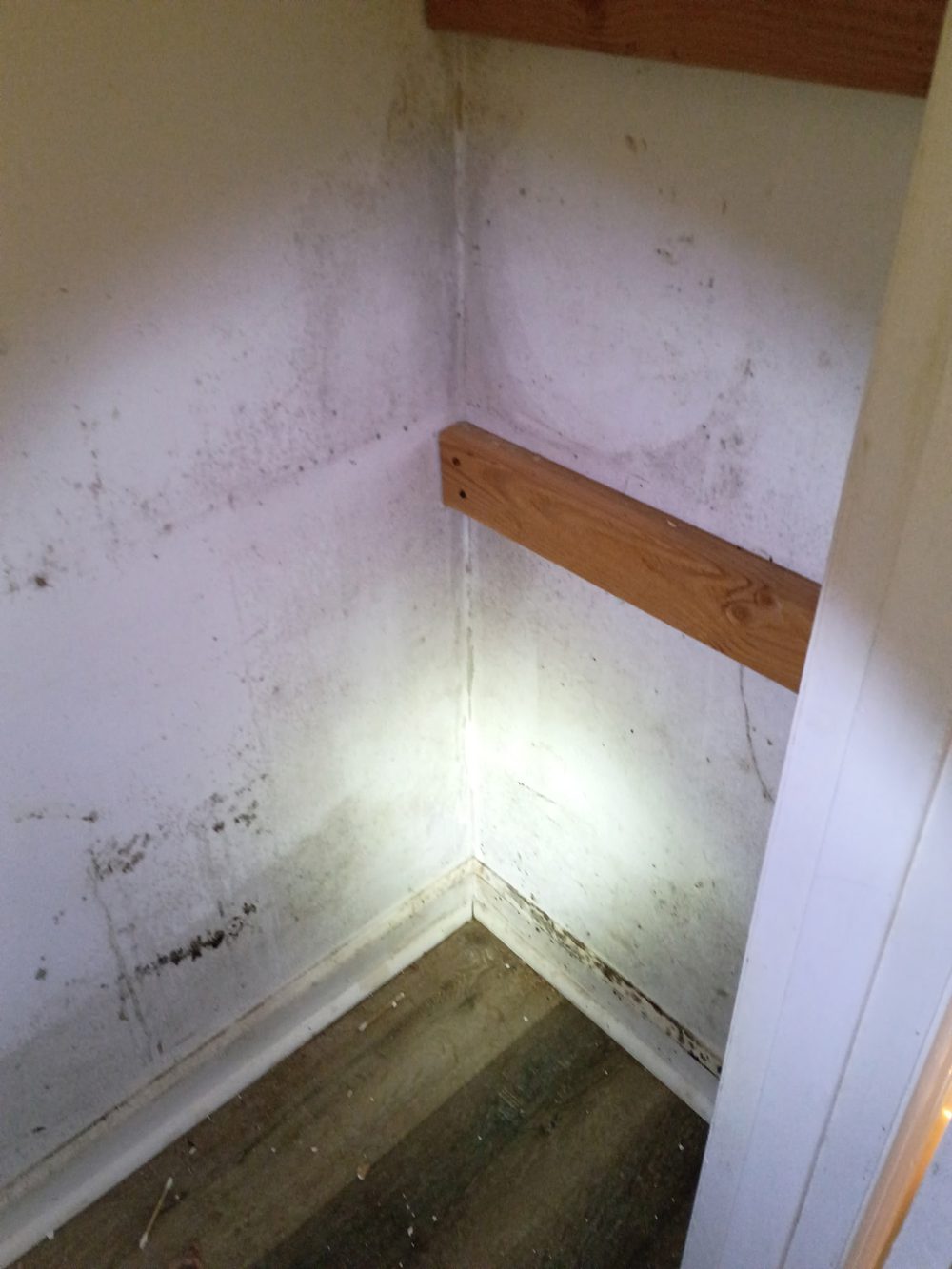
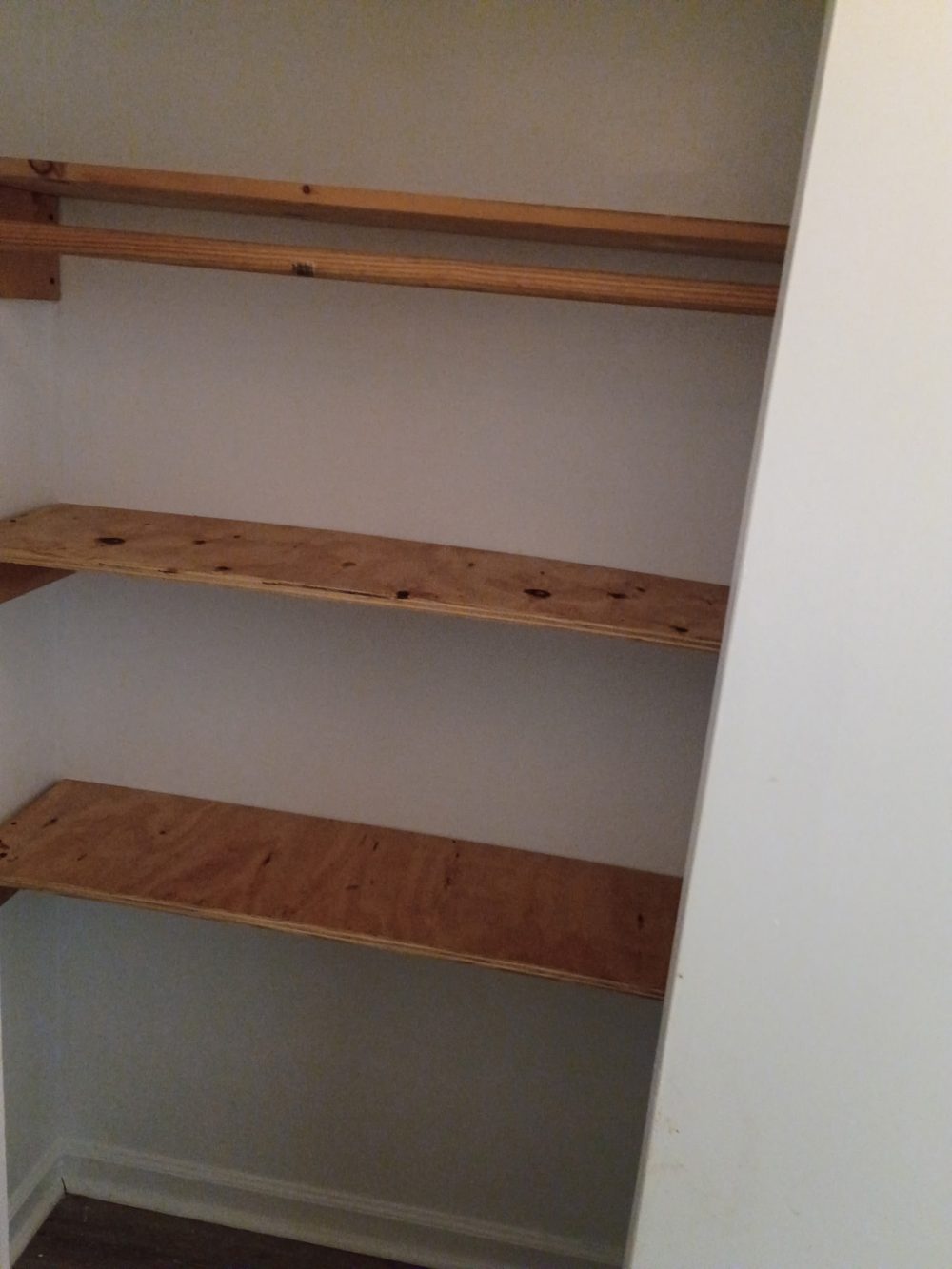
If you've spotted something and want a second set of eyes, call or text (865) 409-7887. We'll come look, give you a free quote, and leave the decision with you.